Vietnam's Solar Power Market 2026: A Turning Point Driven by Policy and Real Demand

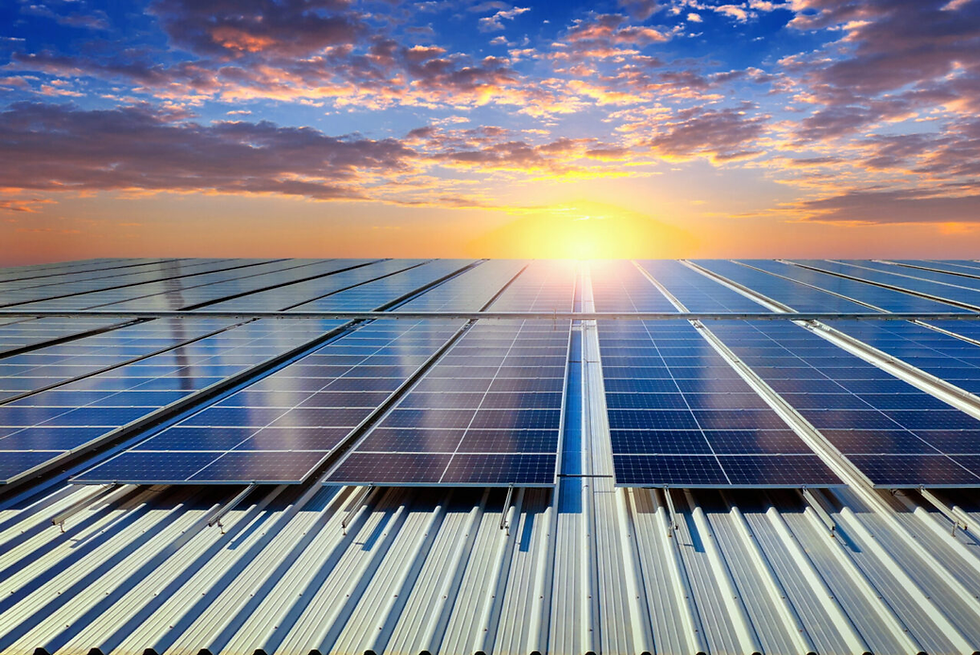
Following a period of rapid expansion fueled by Feed-in Tariff (FIT) incentives, Vietnam's solar power market in 2026 is undergoing a fundamental transformation. Rather than being driven by subsidy-led investment waves, the market is now increasingly shaped by the economy's actual energy demand and a progressively more comprehensive regulatory framework.
From Rapid Expansion to a New Development Model
Looking back to 2018, Vietnam's total installed solar power capacity stood at a modest 86 MW. Within just a few years of implementing the FIT mechanism, however, installed capacity grew exponentially, surpassing 19 GW by the end of 2025 and accounting for approximately 22% of the country's total installed power generation capacity. While this remarkable growth accelerated renewable energy deployment, it also exposed significant bottlenecks in transmission infrastructure, resulting in widespread curtailment of solar generation.
Entering 2026, the solar market has clearly shifted onto a new trajectory. Instead of relying on large-scale, subsidy-driven projects, investment capital is increasingly flowing toward more sustainable business models, including self-consumption solar systems, Energy Service Company (ESCO) arrangements, and the Direct Power Purchase Agreement (DPPA) mechanism.
Growth Driven by National Planning and Economic Demand
In April 2025, the Government issued Decision No. 768/QD-TTg approving revisions to the National Power Development Plan VIII (PDP VIII), raising Vietnam's solar power target to 46–73 GW by 2030. This significant upward revision reflects the country's evolving energy supply-demand dynamics:
Electricity demand is projected to grow by 10–12% annually to support the government's ambition of achieving double-digit GDP growth and accommodating continued foreign direct investment (FDI) in high-tech industries.
Coal-fired power generation faces increasing constraints arising from climate commitments, while hydropower has limited room for further expansion.
Solar power has emerged as one of the most competitive energy sources, supported by an over 80% decline in installation costs over the past decade and significantly shorter project development timelines.

The 2025 Regulatory Framework: Three Key Pillars
Bridging the gap between the current 19 GW of installed capacity and the 46–73 GW target by 2030 will depend heavily on mobilizing private investment. Three major regulatory developments have laid the foundation for this transition:
Legal Instrument | Key Provisions | Investment Implications |
Decree No. 57/2025/ND-CP | Permits direct power trading without going through EVN. Transactions via the national grid require projects with a minimum capacity of 10 MW. | Addresses the growing demand for 100% renewable electricity among large manufacturing facilities and industrial parks. |
Decree No. 58/2025/ND-CP | Allows producers to sell up to 20% of surplus electricity to EVN under five-year contracts. Small-scale systems are exempt from licensing requirements. | Reinforces self-consumption as the primary business model while maintaining attractive project economics compared with prevailing EVN electricity tariffs (VND 2,000–3,000/kWh). |
Law on Corporate Income Tax (Law No. 67/2025) & Decree No. 320/2025/ND-CP | Four-year corporate income tax exemption, followed by a 50% tax reduction (effective 5% tax rate) for the next nine years, a 10% rate for the subsequent two years, and the standard 20% rate thereafter. | The full tax exemption during the first four years creates a valuable opportunity for reinvestment and portfolio expansion. |
Investment Strategies and Risk Management
Depending on project scale and investors' risk appetite, investment strategies in 2026 have become increasingly differentiated. For mid-sized investors, commercial and industrial (C&I) rooftop solar projects structured under the ESCO model have emerged as one of the most attractive opportunities, offering a relatively balanced risk-return profile and greater downside protection. In contrast, the DPPA mechanism presents stronger profit potential but requires robust project development capabilities and access to a qualified base of large corporate electricity consumers.

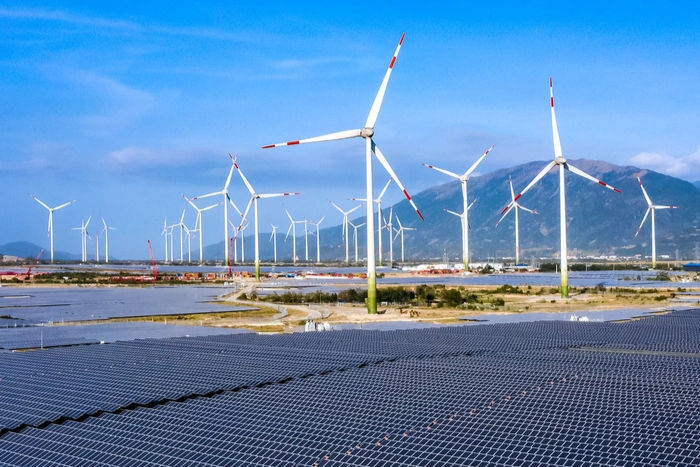
Despite these positive developments, the market continues to face significant structural challenges, particularly in transmission infrastructure. In major renewable energy hubs such as Ninh Thuan and Binh Thuan, grid congestion and the ongoing risk of unplanned generation curtailment remain critical concerns for investors. Moreover, the regulatory landscape continues to evolve rapidly—with at least four major decrees issued or amended within just twelve months—requiring businesses to closely monitor policy developments and adapt quickly to remain competitive.
Looking Ahead
Overall, Vietnam's solar power market has moved beyond its subsidy-driven growth phase and entered a new era characterized by sustainable, market-oriented development. In this increasingly competitive yet promising landscape, long-term success will belong to investors capable of mastering three essential pillars: regulatory expertise, operational excellence, and sophisticated commercial structuring.



Comments