Vietnam's Logistics Industry: A Transformation to Become a Regional Hub (Part 2)

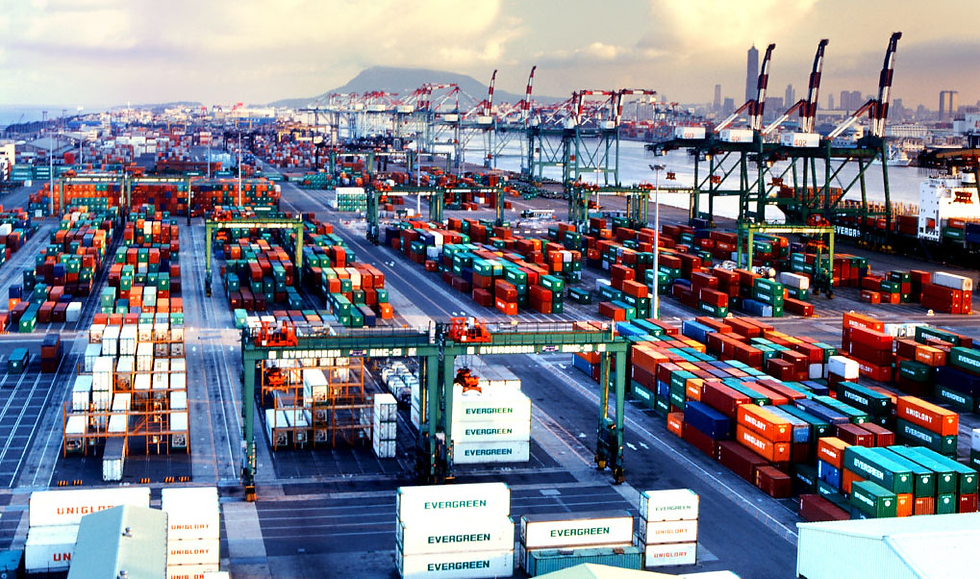
Digital Transformation and Green Transition – Two Driving Forces Behind Modern Logistics
The Digitalization Wave: Digital Transformation and Real-Time Systems
If infrastructure represents “hard power,” then digitalization and intelligent transformation represent “soft power.” During the 2025–2026 period, “electronic port” (e-port) systems will be widely deployed nationwide, completely replacing manual declaration procedures and paper-based document approval processes.
Taking Saigon Newport Corporation (SNP) as an example, the e-Port mobile application developed by the company has upgraded the entire process chain, from port entry scheduling and electronic delivery order confirmation to online payment. These technological upgrades are not merely about improving convenience; more importantly, they provide decision-making advantages through data analytics, delivering real-time information that enables port managers to forecast capacity during peak hours.

AI Applications in Transport Optimization and Demand Forecasting
Machine learning and artificial intelligence (AI) are gradually becoming management tools deployable at scale. Transportation Management Systems (TMS) integrated with machine learning algorithms can effectively reduce route redundancy, improve load efficiency per trip, thereby reducing fuel consumption and empty-haul costs.
For the rapidly growing and expanding e-commerce sector, AI is being utilized to respond to highly volatile order volumes. Platforms rely on algorithms to dynamically coordinate warehouses and transport vehicles, preventing overloads or stock shortages. Reports indicate that more than 53% of major logistics enterprises have incorporated AI-powered route optimization into their core operations.
The Logistics Sector Faces Compliance Challenges from Europe’s Carbon Tax
The year 2026 marks the beginning of a new global trade framework. Starting from January 1, 2026, the European Union officially fully implements the Carbon Border Adjustment Mechanism (CBAM) – imposing border carbon taxes on carbon-intensive goods such as steel, cement, aluminum, and fertilizers. This creates stringent compliance requirements for Vietnam’s export-oriented manufacturing industries and supporting logistics sector.

Approximately 11 heavily impacted sectors include aluminum products, electronics, and textiles. If Vietnamese enterprises are unable to provide carbon-efficiency data for their entire supply chains, they may face the risk of being blocked from entering the European market, while additional carbon tax costs could erode 20–30% of product profit margins.
As a result, supply chains are being compelled to fundamentally shift from a “cost-oriented” model to a “carbon-footprint-oriented” model. In the report, this challenge is viewed as a key driving force pushing Vietnam’s logistics industry closer to global green standards.
Green Logistics Practices: From Electrified Fleets to Low-Carbon Warehousing
In response to CBAM pressure, Vietnam has proactively promoted innovation in key sectors. For example, global shipping group CMA CGM partnered with Nike to launch Vietnam’s first 100% electric container vessel in 2026, transporting finished goods from industrial parks in Bình Dương to Cái Mép Port. This pilot project represents the integration of logistics decarbonization and trade compliance.

From an infrastructure perspective, the new Long Thanh Airport incorporates notable green elements: from baggage tractors to cargo-handling equipment, all utilize lithium batteries and are equipped with the advanced A-SMGCS surface movement guidance and control system to precisely manage operations, reduce aircraft taxiing time, and thereby lower fuel consumption. These measures are not merely investments for a single airport; the technical model developed will also serve as scalable experience for other seaports and inland ports.
The Formation of Early Low-Emission Zones and Clean Fuel Transition
Starting from 2026, Hanoi will gradually restrict gasoline-powered motorcycles from entering inner-city areas. Many local governments are also encouraging delivery fleets to transition toward hybrid or fully electric vehicles. At the same time, the transport fuel sector will increasingly adopt E10 biofuel (10% ethanol), establishing an initial step toward emissions reduction for traditional diesel-powered vehicles.
The common trend behind these measures is that carbon, previously without pricing constraints, is rapidly being “monetized,” and logistics enterprises that deploy green fleets early may soon gain competitive advantages in future cost structures.
Aviation, E-Commerce, and Cross-Border Trade Systems
Long Thanh Airport: The Flagship Project Positioning Vietnam as a Regional Aviation Hub
As a symbol of Vietnam’s aviation logistics reform, Phase 1 of Long Thanh International Airport is expected to commence commercial operations in 2026. According to the design, initial capacity will reach 25 million passengers per year and 1.2 million tons of cargo annually; upon completion of all three phases, total capacity will reach a global-scale level of 100 million passengers and 5 million tons of cargo per year.

Beginning with the Winter flight schedule at the end of 2026, Airports Corporation of Vietnam (ACV) will gradually transfer long-haul international flights and air cargo operations from the severely congested Tan Son Nhat Airport to Long Thanh. Phase one (through March 2027) will accommodate approximately 19% of Ho Chi Minh City’s international passenger traffic; during the 2027–2030 period, except for short-haul routes, all international flights will be relocated to Long Thanh.
This transition provides decisive support for upgrading the cargo transportation system. Dedicated cargo terminals will gradually become operational, handling the transport of high-value products such as electronics, pharmaceuticals, and perishable goods.
Rapid Growth of E-Commerce and Logistics Bottlenecks
In 2025, Vietnam’s e-commerce market reached USD 31 billion – double the size recorded in 2020, accounting for nearly 10% of total retail sales and consumer service revenue, contributing approximately two-thirds of the country’s digital economy. By 2026, the market size is projected to increase to around USD 35 billion, representing growth of approximately 25%.

However, behind this positive outlook lie three major dual challenges for the logistics system: first, warehouse system imbalances; second, persistently high last-mile delivery costs in rural and remote areas; and third, increasing pressure from compliance management upgrades. In response, the Ministry of Industry and Trade approved a new E-Commerce Law at the end of 2025, effective from July 2026. The law introduces stricter regulations regarding marketplace operations, tax collection mechanisms, and product origin labeling.
Cross-Border E-Commerce and New International Logistics Corridors
As the domestic e-commerce market approaches saturation, cross-border e-commerce is becoming the second growth engine for logistics expansion. Leading delivery companies (such as Viettel Post and VNPost) are expanding dedicated cross-border transport networks, shifting from domestic competition toward regional cooperation.

From a supply chain optimization perspective, one newly addressed technical issue is that consumers can freely choose logistics providers across multiple platforms, creating significant advantages for enterprises with extensive network coverage and smart warehousing capabilities. For companies possessing international transshipment capabilities and overseas bonded warehouses, they can unlock the critical link enabling “Made in Vietnam” products to be directly exported abroad.
Trade Facilitation and Tariff Reduction Benefits from FTAs
During the 2026–2030 period, tariff reduction impacts from free trade agreements (FTAs) signed between Vietnam and partners such as the EU and UAE will continue to materialize. In particular, the Vietnam–UAE Comprehensive Partnership Agreement has eliminated or reduced tariffs on 99% of tariff lines applicable to Vietnamese goods, including seafood, textiles, electronics, furniture, and others.
In parallel, multiple port-related and aviation transport fees are also being temporarily reduced or exempted in stages – Circular No. 40, effective from April 2026, temporarily exempts several fees in aviation, maritime, and railway sectors from early April through the end of June, creating short-term cost relief for enterprises. These trade benefits help Vietnam continue expanding its role as a regional cargo consolidation hub.
Targets and Challenges – Feasibility and Bottlenecks Behind the 2030 Vision
Strategic Roadmap: Three Phases and Five Core Targets
According to the announced planning targets, Vietnam’s logistics industry will maintain a growth rate of 14–15%, increasing to approximately 20% by 2035, while its share of the global logistics services market rises to 0.6%. At the same time, logistics costs as a percentage of GDP are expected to decline to below 15%.
At the local level, logistics development in Hanoi and Ho Chi Minh City is projected to outpace the national average: in Hanoi alone, logistics services are expected to account for 10–12% of GRDP by 2030, with annual growth reaching 18–22%.
Structural Bottlenecks and Underlying Concerns: Talent, Capital, and Market Volatility
Despite the ambitious targets, the report also identifies several risks. First is project management quality. Projects such as the North–South High-Speed Railway and Long Thanh Airport involve enormous investment capital and complex cross-border cooperation; whether timelines can be achieved depends heavily on management capacity and contractor performance.
Second is the shortage of highly skilled logistics personnel. Vietnam requires a substantial workforce with expertise in supply chain management and international analytics, and this talent gap is directly constraining the country’s advancement into higher-value logistics services.
Third are uncontrollable factors stemming from the global macroeconomic environment. Escalating U.S.–China trade tensions, global oil prices, exchange-rate volatility, as well as the unpredictability of future pandemic outbreaks all present challenges for high-risk capital expenditure projects.
Conclusion: Determination to Transform
Vietnam’s logistics industry stands at a historic crossroads. From the physical expansion of road, railway, seaport, and aviation infrastructure to the deeper integration of digital technology, green compliance, and institutional coordination, its global competitiveness is improving rapidly.

This is not merely an expansion of capacity; Vietnam’s logistics industry is undergoing a fundamental restructuring that reaches the very foundation of the sector. This restructuring is not the story of a single industry or enterprise, but rather a systemic undertaking driven across multiple dimensions, from interprovincial governance to capital allocation, from technology deployment to service upgrades.
The wheels are already in motion, and the hub is gradually taking shape. In the coming years, whether Vietnam’s logistics industry can truly complete this transformative evolution will depend on its ability to balance the multidimensional relationships between speed and quality, cost and sustainability, import substitution and global standards. Yet one thing is certain, there is no turning back, only breakthrough growth ahead.


Comments